Adding insulation without removing drywall is possible in certain homes, but it depends on how the wall is built, what already exists inside it, and what outcome you expect. In Edmonton, many homes can benefit from non-invasive upgrades, but not all wall systems allow it without tradeoffs. All Star Walls evaluates whether insulation can be added without opening walls or if a more complete approach is required to avoid long-term issues.
Methods That Avoid Full Wall Demolition
Several techniques allow insulation to be added without removing drywall. These methods focus on accessing wall cavities or improving thermal performance without rebuilding the assembly.
Blown-In Wall Insulation
Blown-in insulation is installed by filling wall cavities through small access holes. Contractors drill into each stud bay and inject insulation to reduce heat loss and improve temperature consistency.
This method works best when cavities are empty or under-insulated. It can improve comfort and efficiency without opening the wall. However, it does not fix air leakage, vapour control issues, or existing moisture problems inside the assembly.
Drill-and-Fill Techniques
Drill-and-fill follows a similar approach but focuses on targeted areas. It is often used to correct specific cold spots or incomplete insulation sections.
The limitation is control. You cannot fully see inside the cavity during installation. If obstructions, existing insulation, or damage are present, the results may be uneven. This method improves performance but does not guarantee a fully sealed or consistent wall system.
Attic Top-Up vs Wall Upgrades
Attic insulation upgrades are usually more straightforward than wall upgrades. Access is easier, coverage is more uniform, and the risk of hidden obstructions is lower.
Wall insulation upgrades require more precision and carry more uncertainty. Even when insulation is added, airflow paths and framing conditions may still limit performance. This is why attic top-ups often deliver more predictable results compared to wall injection methods.
Situations Where This Approach Works Well
Non-invasive insulation methods work best under specific conditions. The structure of the wall and the goal of the upgrade determine whether this approach makes sense.
Older Homes with Empty Wall Cavities
Many older homes were built with little or no insulation in the walls. In these cases, blown-in methods can significantly improve thermal performance without removing drywall. If cavities are open and unobstructed, insulation can be added evenly. This creates a noticeable improvement in comfort and energy use with minimal disruption.
Minor Energy Efficiency Improvements
When the goal is to reduce drafts or improve temperature consistency slightly, non-invasive methods can be effective. These upgrades work well when expectations are realistic and the existing wall assembly is otherwise functional.
They are not designed to solve major heat loss issues or structural inefficiencies. They provide incremental improvements rather than full system correction.
Access from Exterior vs Interior
Access location affects how the work is completed. In some homes, insulation can be added from the exterior by removing sections of siding. In others, small interior access points are used.
Exterior access reduces disruption inside the home but depends on siding type and condition. Interior access is more controlled but may require patching and finishing after installation.
Limitations and Hidden Risks
Non-invasive insulation upgrades have clear limitations. The biggest constraint is visibility. Contractors cannot fully inspect the cavity during installation, which increases uncertainty.
If insulation already exists, it may block proper distribution of new material. If moisture is present, adding insulation can trap it and worsen mould conditions. Air leakage paths also remain unless they are addressed separately.
Another risk is uneven coverage. Obstructions such as wiring, blocking, or framing irregularities can prevent insulation from filling the cavity evenly. This leads to inconsistent performance across the wall.
These methods also do not correct deeper issues in the assembly. If the wall lacks proper air sealing or vapour control, insulation alone will not resolve condensation risks. In those cases, a more complete solution identified by Edmonton insulation service professionals is often required.
When Drywall Removal Is the Better Long-Term Solution
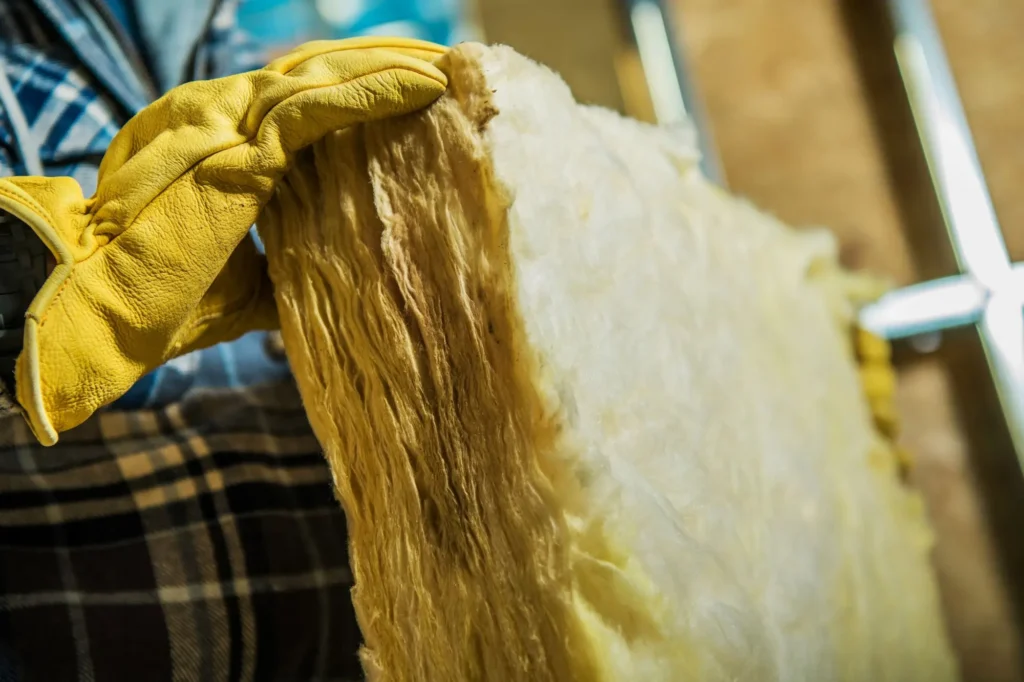
In some situations, removing drywall is the more effective option. This allows full access to the wall assembly, making it possible to correct insulation gaps, seal air leaks, and address moisture issues at the source.
Drywall removal is often necessary when insulation is damaged, wet, or improperly installed. It is also required when the wall contains obstructions that prevent proper fill or when consistent performance is critical.
Here is a comparison between non-invasive upgrades and full removal:
| Factor | Non-Invasive Upgrade | Full Removal |
|---|---|---|
| Cost | Lower upfront cost | Higher upfront cost |
| Effectiveness | Moderate improvement | Full system correction |
| Disruption | Minimal | High |
| Moisture Risk | Can trap existing moisture | Allows full inspection and correction |
Choosing between these options depends on the condition of the wall and the goal of the upgrade. Avoiding drywall removal can save time and cost, but it may limit long-term performance if underlying issues remain.
How All Star Walls Evaluates Insulation Upgrade Options
Each home requires a different approach. The evaluation focuses on wall construction, existing insulation, airflow conditions, and signs of moisture or damage.
The goal is to determine whether a non-invasive method will deliver meaningful results or if it will leave unresolved issues behind. In many cases, surface-level improvements can hide deeper problems that return later.
A proper assessment looks at access points, cavity condition, and risk factors before recommending a solution. This helps prevent situations where insulation is added but performance does not improve as expected.
If you are considering an upgrade, a detailed assessment by local insulation and drywall specialists can confirm whether your home qualifies for a non-invasive approach or requires a more complete solution.