
Drywall installation during Edmonton winters raises questions about temperature, curing conditions, and long term durability. Cold environments can affect how drywall panels, joint compound, and adhesives behave during installation and finishing. All Star Walls Contractor regularly evaluates environmental conditions before starting drywall work to ensure materials cure properly and the finished wall system performs as expected.
Understanding the temperature limits and environmental requirements helps homeowners determine whether drywall installation can proceed during winter or whether temporary heating or delays may be necessary.
Minimum Temperature Requirements for Drywall and Joint Compound
Drywall panels themselves tolerate cold storage and transport. The more sensitive component during installation is the joint compound used for taping and finishing. These materials rely on proper temperatures to cure and bond correctly.
Industry guidance generally recommends maintaining stable indoor temperatures before, during, and after installation to ensure consistent drying and adhesion.
Safe Installation Temperature Range
Most drywall manufacturers recommend maintaining interior temperatures of at least 10°C (50°F) during installation and finishing. This temperature should remain stable for at least 24 hours before installation and continue during the curing period.
Maintaining this temperature allows joint compound to dry at a predictable rate and prevents moisture from freezing inside the material.
How Cold Affects Mud, Taping and Cure Times
Joint compound dries through evaporation. When temperatures drop, evaporation slows significantly, extending drying times between coats.
Cold conditions can lead to:
• slower drying between finishing coats
• soft or weak joint compound surfaces
• delayed sanding and finishing schedules
Maintaining controlled interior temperatures helps prevent these delays and ensures a consistent finish.
Risks of Freezing Before Drying
If joint compound freezes before it fully dries, the bonding structure can break down. Frozen compound may lose strength, develop cracks, or separate from the drywall surface.
This type of failure often appears later as joint cracking or surface defects. Preventing freezing conditions during the curing stage is therefore critical to long term wall performance.
Can You Heat the Space Instead of Waiting for Warmer Weather?
Temporary heating often allows drywall work to proceed during winter construction. Contractors commonly use portable heaters or building heating systems to maintain safe interior temperatures.
The goal is not simply warming the room briefly but keeping the temperature stable long enough for joint compound to cure properly. Heating must remain consistent through installation and finishing stages.
Drywall professionals experienced with winter construction, including the team at All Star Walls Contractor drywall services in Edmonton, typically assess insulation, building enclosure status, and airflow conditions before approving drywall work in cold environments.
What Happens If Drywall Is Installed Too Cold?
Installing drywall in temperatures below recommended levels can create problems that appear long after the renovation is complete.
Potential issues include:
• joint cracking due to improper curing
• weak bonding between tape and compound
• surface imperfections that require rework
• extended drying timelines that delay project completion
These risks often increase when temperature fluctuations occur, such as overnight freezing in partially heated buildings.
When It Makes Sense to Delay Installation
Even with temporary heating, some construction environments remain unsuitable for drywall installation. Delaying the work can prevent costly repairs later.
Uninsulated Builds
Buildings without insulation or a sealed envelope struggle to maintain stable temperatures. Heat loss can cause repeated freezing and thawing cycles that interfere with drywall curing.
Garage and Basement Projects
Detached garages and unfinished basements often experience larger temperature swings than finished living spaces. These conditions can slow drying and increase the risk of compound failure.
New Construction vs Renovations
New construction projects may require drywall crews to wait until the structure is enclosed and basic heating systems are operational. Renovation projects inside existing heated homes typically provide more stable installation conditions.
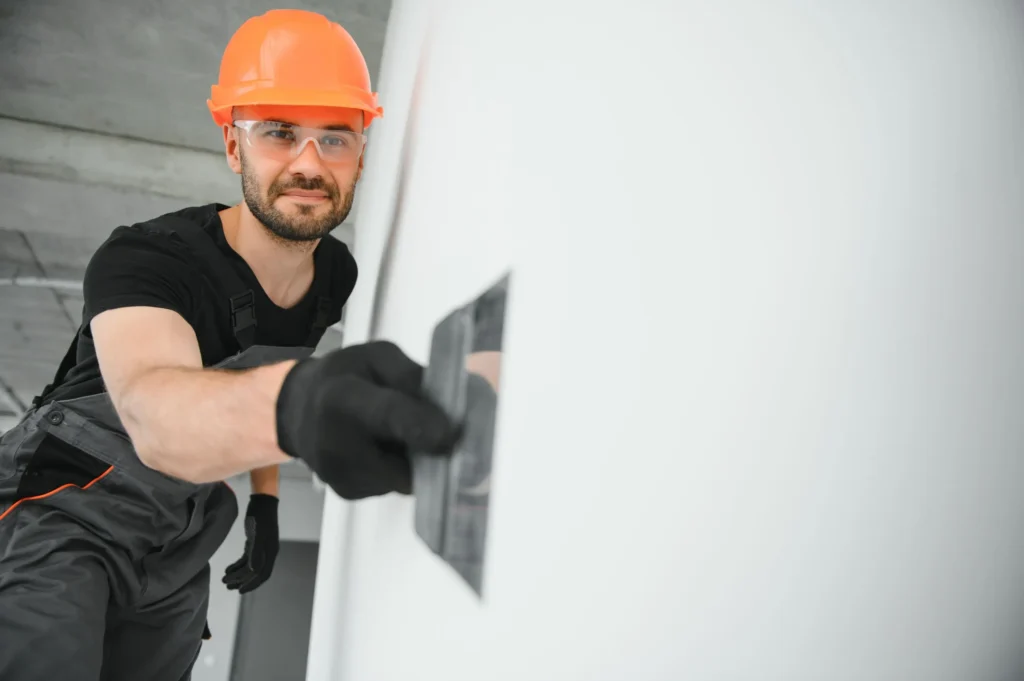
How All Star Walls Manages Winter Drywall Projects in Edmonton
Winter construction requires careful planning and environmental monitoring. Drywall contractors must confirm that the building enclosure, insulation, and heating conditions allow joint compound to cure properly.
During winter projects, drywall professionals assess interior temperatures, humidity levels, and airflow before beginning installation. Homeowners planning renovations can reach out through the All Star Walls Contractor project consultation page to discuss drywall installation timing and environmental requirements.
This evaluation helps determine whether drywall work can proceed safely or whether heating or scheduling adjustments are required to protect the finished walls.