Fire-rated drywall requirements in Edmonton depend on how spaces are used, how areas connect to the main dwelling, and whether structural protection is required under building standards. Not every wall requires a fire rating, but specific separations must meet defined resistance periods. All Star Walls Contractor evaluates these requirements during renovation and development projects to ensure assemblies align with Edmonton building expectations.
What “Fire-Rated” Actually Means in Wall Assemblies
Fire-rated drywall is part of a tested wall or ceiling assembly designed to resist fire spread for a defined time period, typically 30, 45, or 60 minutes. The rating applies to the full system, not just the drywall panel.
A compliant fire-rated assembly may include:
- Specific drywall thickness and type
- Defined stud spacing
- Approved fastener patterns
- Insulation within the cavity
- Sealed joints and penetrations
The drywall alone does not create the rating. The fire resistance comes from the tested combination of materials installed according to the assembly specification.
Situations Where Fire-Rated Drywall Is Typically Required
Certain separations in Edmonton homes commonly require fire-rated assemblies to slow fire spread between spaces.
- Garage-to-house wall separations
- Furnace and mechanical rooms
- Secondary suites and rental units
- Structural beam or column protection
Garage-to-house separations typically require a fire-rated barrier because vehicles, fuel storage, and ignition sources increase fire risk. Mechanical rooms containing furnaces or fuel-burning appliances may also require fire separation depending on layout and access.
Secondary suites and rental units frequently require fire-rated walls and ceilings between dwelling units. The rating requirement depends on whether the suite is legal and whether structural separation standards apply.
Structural beams and steel columns may require fire protection when exposed within living areas. In these cases, drywall can form part of the fire-protective enclosure when installed as part of an approved assembly.
For homeowners reviewing how these assemblies are planned within full renovation scopes, project examples and service details can be found through the Edmonton drywall contractor team.
Renovations That Trigger Fire Separation Upgrades
Fire separation requirements often become relevant during renovations that change how space is used. Converting storage areas or unfinished basements into habitable rooms can trigger compliance obligations.
Basement suite development
Adding a basement suite typically requires fire-rated wall and ceiling assemblies between units. This often includes upgraded drywall layers, sealed penetrations, and fire-rated doors. Electrical boxes and duct penetrations may also need protection to maintain the assembly rating.
The requirement applies even if the existing drywall appears substantial. Compliance depends on whether the full assembly meets tested fire-resistance standards.
Converting unfinished space to living space
When unfinished areas are converted into bedrooms, offices, or recreation rooms, fire separation may be required around mechanical equipment or structural components. The change in occupancy can trigger review under building standards.
Upgrading drywall alone may not be sufficient if framing configuration does not meet assembly requirements. Stud spacing, insulation type, and ceiling structure all influence whether the fire rating is valid.
What Happens If Fire-Rated Drywall Is Skipped
Skipping required fire-rated assemblies can result in failed inspections, required removal of completed drywall, and delays in occupancy approval. More importantly, missing separations reduce the time occupants have to respond in a fire event.
Common consequences include:
- Inspection failure requiring removal and reinstallation
- Delays in secondary suite approval
- Increased liability if the property is rented
- Reduced fire containment between high-risk areas
Installing standard drywall where a rated assembly is required is considered non-compliant, even if the wall appears solid or finished.
Coordinating Framing and Drywall for Code Compliance in Edmonton
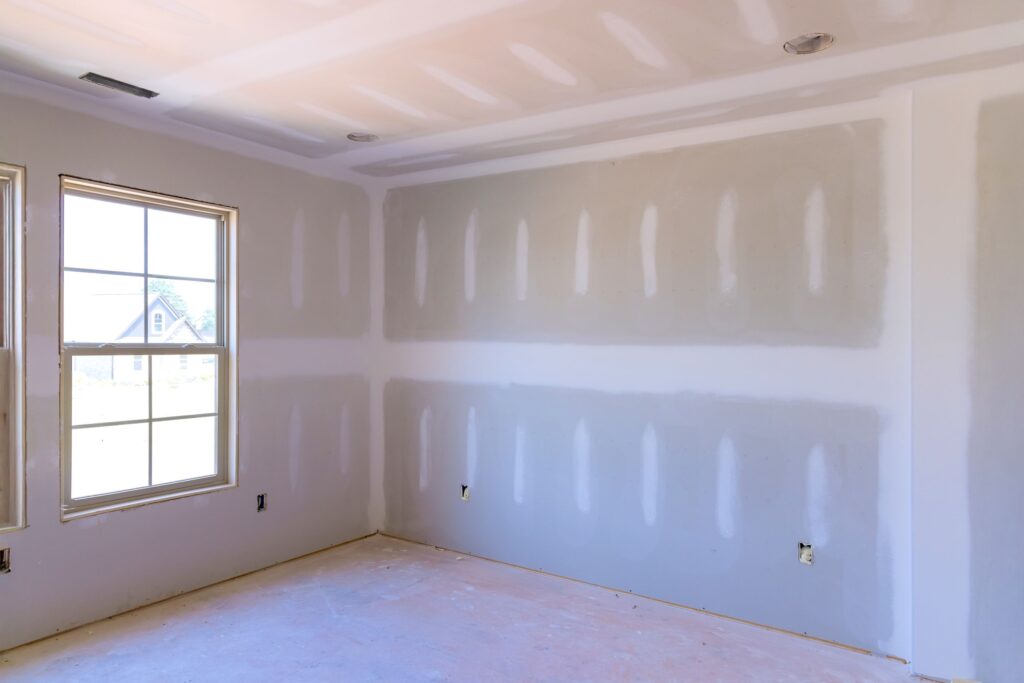
Fire-rated assemblies depend on coordination between framing and drywall installation. The framing layout must support the tested assembly, including stud depth, spacing, and attachment methods. Drywall layers must then be installed to match the specified configuration.
Fire-rated drywall is typically thicker and denser than standard drywall, but it is installed using similar tools and methods. The difference lies in strict adherence to fastening patterns, joint treatment, and continuity of the barrier.
Fire-rated drywall does not automatically improve soundproofing. While thicker panels may provide some acoustic benefit, sound control and fire resistance are separate performance standards unless the assembly is specifically tested for both.
If a renovation may trigger fire separation requirements, homeowners can request clarification and project review through the Edmonton project inquiry form before drywall installation begins.