Choosing the right framing material is one of the most important decisions in any renovation or new build. In Edmonton, extreme temperature swings, long winters, and moisture concerns make this choice even more critical. Homeowners and builders often weigh wood framing against steel framing based on cost, durability, and performance, and guidance from All Star Walls helps ensure the decision fits both the project type and local climate conditions.
Why Framing Choice Matters in Edmonton
Framing forms the structural backbone of walls, ceilings, and partitions. In cold climates like Edmonton, framing also affects insulation performance, moisture control, and long term durability.
Selecting the wrong material can lead to issues such as warping, mold risk, or reduced thermal comfort. Choosing the right option means balancing strength, environmental conditions, and how the space will be used.
Many property owners rely on experienced framing contractors in Edmonton to evaluate these factors before construction begins.
Cost Differences Between Wood and Steel Framing
Wood framing is typically less expensive upfront. Lumber is widely available, easy to cut, and familiar to most residential crews, which keeps labor costs predictable for home projects.
Steel framing generally costs more initially due to material pricing and specialized installation requirements. However, steel prices can be more stable over time compared to lumber, which often fluctuates based on supply and demand.
For budget driven residential renovations, wood often wins on upfront cost. For larger or longer term projects, steel may offer better value through durability and reduced maintenance.
Build Speed and Project Timelines
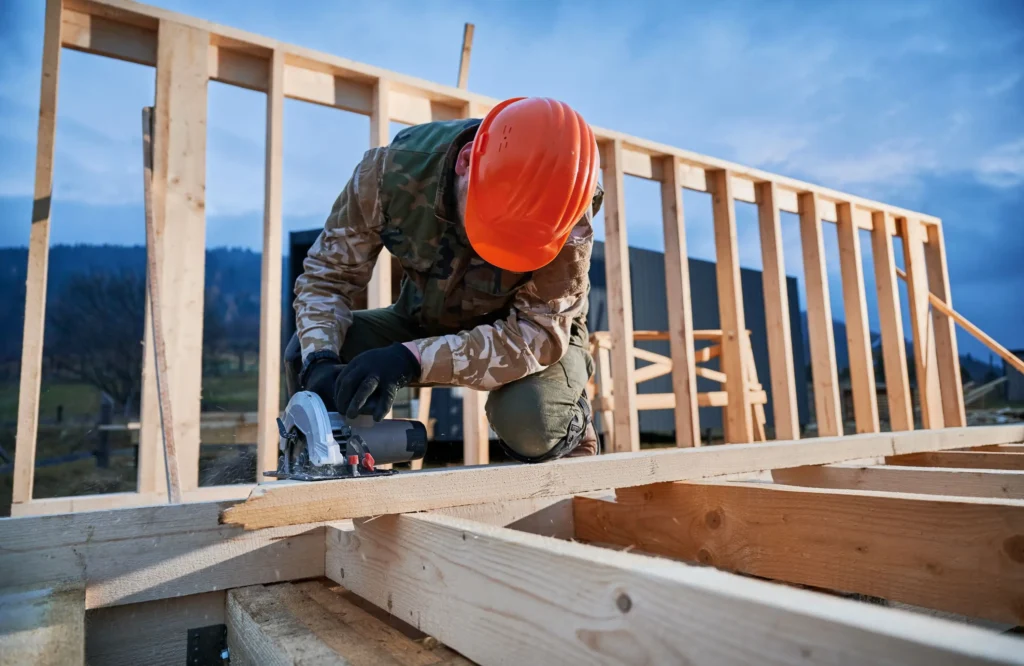
Wood framing is fast to install, especially for residential layouts. Crews can adapt quickly on site, making changes without specialized tools.
Steel framing requires precise measurements and fastening methods, which can slightly slow installation. However, steel studs are uniform and straight, reducing rework and alignment issues.
For projects with tight timelines and simple layouts, wood framing can move faster. For larger builds with repetitive layouts, steel framing can deliver consistency and efficiency.
Durability and Long Term Performance
Wood is strong and flexible but can be affected by moisture, pests, and natural movement over time. Shrinkage or warping can occur if materials are exposed to humidity changes.
Steel framing does not rot, warp, or attract pests. It maintains its shape over decades, making it well suited for long term structural stability, especially in commercial or multi unit buildings.
Durability becomes a key deciding factor when framing will be concealed behind finished walls for many years.
Moisture Resistance and Basement Framing
Basements in Edmonton are especially vulnerable to moisture intrusion and humidity fluctuations. Wood framing in basements must be carefully protected with proper vapor barriers and moisture control.
Steel framing is often preferred for basements because it does not absorb moisture. Even if exposed to damp conditions, steel studs retain their structural integrity, reducing the risk of mold related damage.
Fire Performance and Safety
Wood is combustible, though modern building codes and fire rated assemblies reduce risk significantly. Fire resistance depends heavily on drywall layers and overall wall design.
Steel framing is non combustible, which can improve fire performance in certain applications. This makes steel a common choice in commercial spaces, multi family buildings, and areas where fire separation is a priority.
Residential vs Commercial Framing Use Cases
Wood framing dominates residential construction due to cost efficiency and ease of installation. It is ideal for single family homes, additions, and standard renovations.
Steel framing is widely used in commercial interiors, offices, retail spaces, and larger residential buildings. Its consistency, fire performance, and durability make it well suited for these environments.
Professional framing services in Edmonton help determine which material best fits the project scope and building type.
Insulation, Thermal Bridging, and Cold Climate Comfort
Thermal performance is a major consideration in Edmonton’s climate. Wood has natural insulating properties and creates fewer thermal bridges within walls.
Steel conducts heat more easily, which can lead to thermal bridging if insulation is not designed correctly. This does not make steel a poor choice, but it does require continuous insulation strategies to maintain comfort and energy efficiency.
When to Choose Wood Framing
Wood framing is often the better choice when cost is a primary concern, the project is residential, and moisture exposure is limited. It works well for above grade walls, additions, and renovations where flexibility is needed.
Homeowners seeking faster installation and lower upfront cost often lean toward wood framing.
When to Choose Steel Framing
Steel framing is ideal for basements, commercial spaces, and projects where moisture resistance, durability, and fire performance are priorities. It offers long term stability and consistent results when installed correctly.
For projects with higher durability requirements or environmental exposure, steel framing is often the smarter long term choice.
Making the Right Choice for Your Edmonton Project
Both wood and steel framing have clear advantages depending on the project type, location, and performance goals. The best choice depends on balancing cost, durability, moisture conditions, and thermal performance.
Before starting construction, it is wise to consult a qualified framing contractor in Edmonton to evaluate your space and recommend the best framing solution.
With the right planning and professional installation, both wood and steel framing can deliver strong, comfortable, and durable results for Edmonton homes and buildings.